Methods of Sustainable Farming

Innovative approaches for eco-friendly agriculture

Crop Rotation

Alternating crops to maintain soil fertility.

Prevents nutrient depletion.

Nitrogen Fixation & Pest Reset
  • Legume Alternation: Following heavy nitrogen-feeding cereals (wheat/maize) with pulses (chickpea/moong) replenishes soil nitrates naturally via Rhizobium bacteria.
  • Breaks Pest & Weed Cycles: Switching plant families each season deprives soil-borne pathogens and root pests of their host crop.
  • Multi-Depth Root Structure: Alternating deep taproots with fibrous shallow roots improves soil aeration and nutrient utilization.

Hydroponics

Hydroponics uses water with nutrients to grow plants.

Promotes biodiversity.

Soilless Precision Growth
  • Up to 90% Water Savings: Closed-loop nutrient reservoirs recirculate water directly to suspended roots with zero ground runoff.
  • Faster Growth Cycles: Balanced mineral solutions (pH 5.5–6.5) allow plants to absorb nutrients effortlessly, boosting growth speed by 30–50%.
  • Spares Natural Ecosystems: High-yield vertical and greenhouse setups reduce pressure to clear forests and native habitats for farmland.

Contour Farming

Ploughing along land contours to prevent erosion.

Controls water run-off.

Slope & Topsoil Conservation
  • Natural Micro-Terraces: Ridges and furrows follow the natural elevation lines of hills, acting as miniature check-dams during heavy rain.
  • 50% Less Topsoil Loss: Prevents fertile organic matter and seeds from washing down sloped terrain into rivers.
  • Deep Soil Infiltration: Slows down surface water velocity so rainwater seeps directly into the root zone.

Rainwater Harvesting

Collecting and storing rainwater for irrigation.

Saves water resources.

Monsoon Capture & Recharge
  • Farm Ponds & Tanks: Channels rooftop and field runoff into lined storage ponds for critical dry-spell irrigation.
  • Borewell & Aquifer Recharge: Percolation trenches replenish underground water tables, preventing summer well depletion.
  • Pure, Salt-Free Water: Natural rainwater has neutral pH and zero dissolved groundwater salts, improving crop nutrient uptake.

Sustainable Rice Intensification

Optimizing rice planting techniques for yield & water saving.

Higher yield, less input.

SRI Low-Water Protocol
  • Younger Single Seedlings: Transplanting 8–12 day seedlings wide apart (25×25 cm) gives roots room to produce 30–50 fertile tillers per plant.
  • Alternate Wetting & Drying: Keeping paddy soil aerobic and moist instead of continuously flooded saves 40% water and cuts methane emissions.
  • 80% Less Seed Needed: Drastically reduces seed costs while producing stronger stems resistant to lodging and storms.

Conservation Farming

Minimal soil disturbance, cover crops, crop rotation.

Promotes biodiversity.

Zero-Till & Living Mulch
  • Minimal Mechanical Disturbance: Direct seeding without deep ploughing preserves earthworm tunnels and mycorrhizal fungal webs.
  • Permanent Organic Cover: Crop residues and living cover crops shield topsoil from baking sun, wind erosion, and moisture evaporation.
  • Soil Carbon Sequestration: Builds humus and organic carbon year after year, turning farmland into an active carbon sink.

Drip Irrigation

Efficient water delivery system directly to plant roots.

Saves water, increases efficiency.

Root-Zone Micro-Hydration
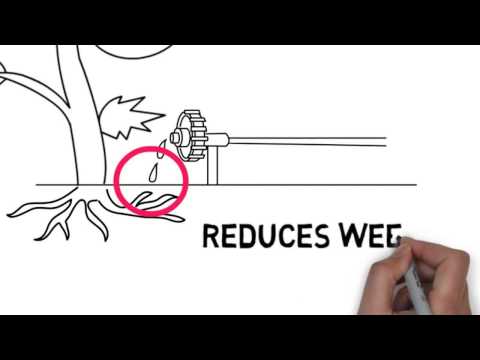
  • Up to 70% Water Saved: Pressurized inline emitters deliver slow, measured droplets directly to the root ball with zero evaporation loss.
  • Suppresses Weeds & Blight: Keeping pathways between crop rows dry starves weeds of moisture and prevents leaf fungal diseases.
  • Precision Bio-Fertigation: Allows liquid organic fertilizers (Jeevamrut / seaweed extract) to be dosed directly to active roots.